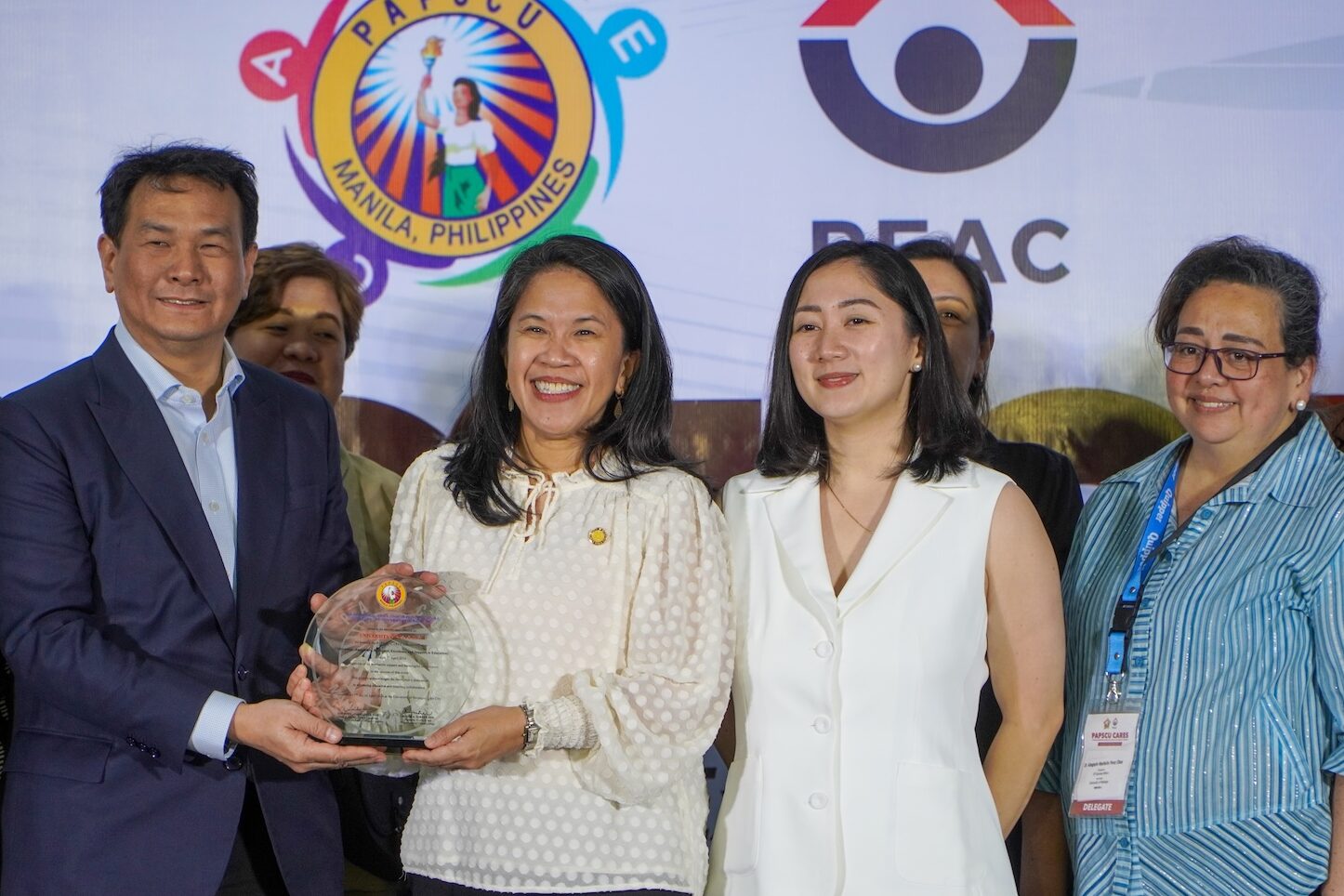
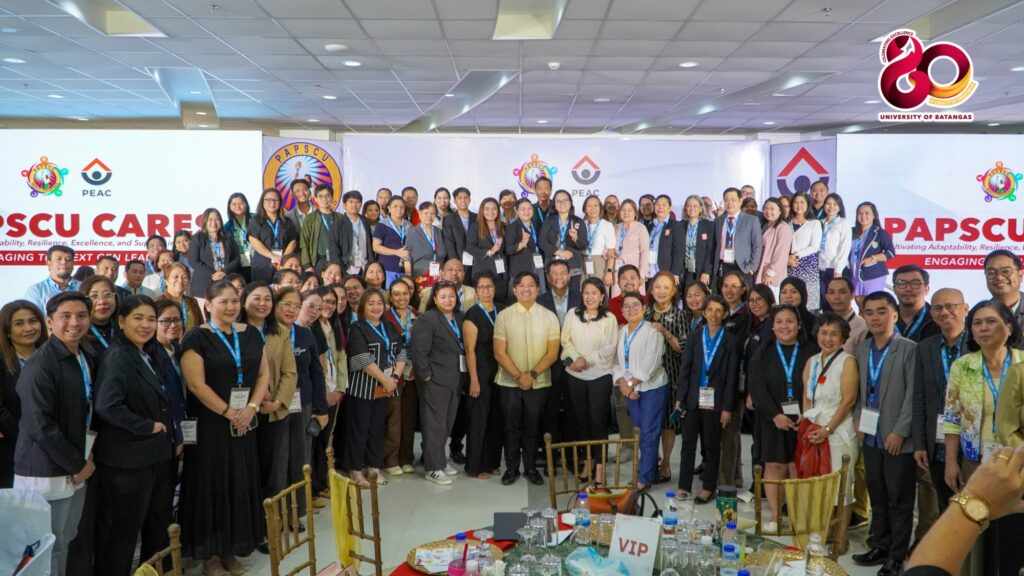
Marking its 80th founding anniversary, the University of Batangas Lipa City proudly opens its doors to over 100 participating schools from across CALABARZON and neighboring provinces for the South Luzon leg of the PAPSCU CARES Education Series. This milestone event gathers Philippine Association of Private Schools, Colleges, and Universities administrators, academic stakeholders, and industry partners for a day of transformative dialogue on Philippine education system. As we face a pivotal moment in our nation’s history, this gathering serves as a critical platform for exchanging thought-provoking insights on the current state of the academe and the urgent contemporary challenges that must be addressed to secure the best future for all.
Turning Workplace Friction into Institutional Strength
Ms. Charis J. Go, President of Berkeley School – Baguio, addressed the urgent need for reframing generational gaps. She noted that a critical concern for the Philippine education system today is the growing misalignment between students, teachers, and leaders.
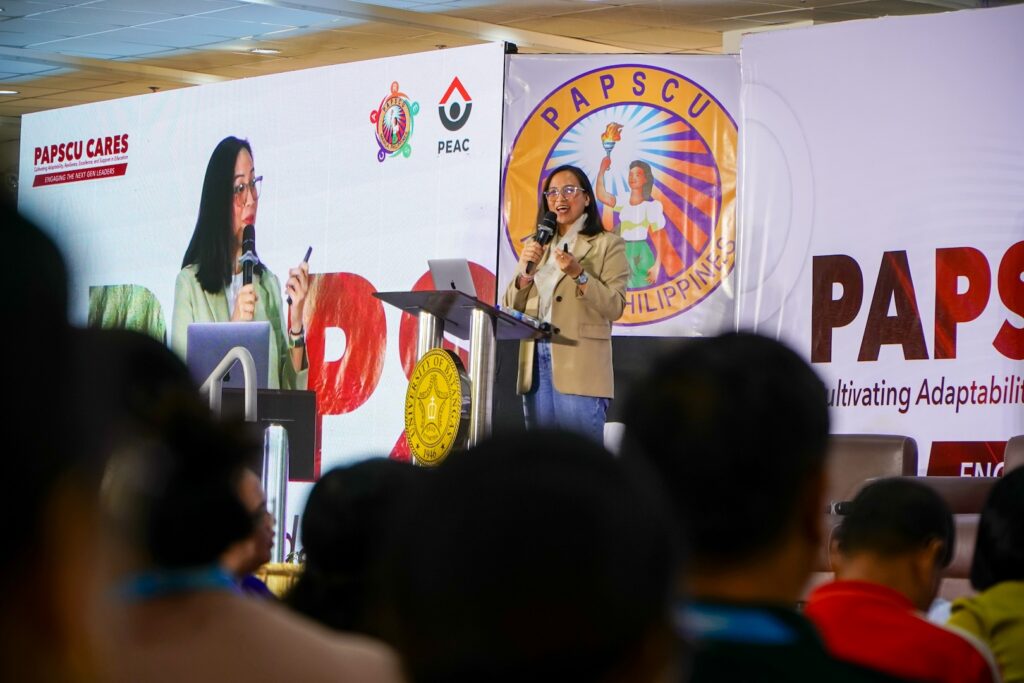
Specifically, she highlighted how technology is a “native environment” for Generation Z and Alpha. For these learners, digital devices are part of their identity. Furthermore, this digital immersion often creates a cultural disconnect with older educators. Consequently, these differences lead to deep misunderstandings that hinder the learning process. By addressing these frictions, we can transform tension into a collaborative force for excellence.
The Visionary and the Implementor
Reflecting on her journey, Ms. Go shared a story from when she was first appointed President. The school principal was the same person who served when Ms. Go was a student. Initially, this dynamic created natural friction. Ms. Go wanted to introduce innovative ideas, while the seasoned principal questioned changing systems that were “already working.”
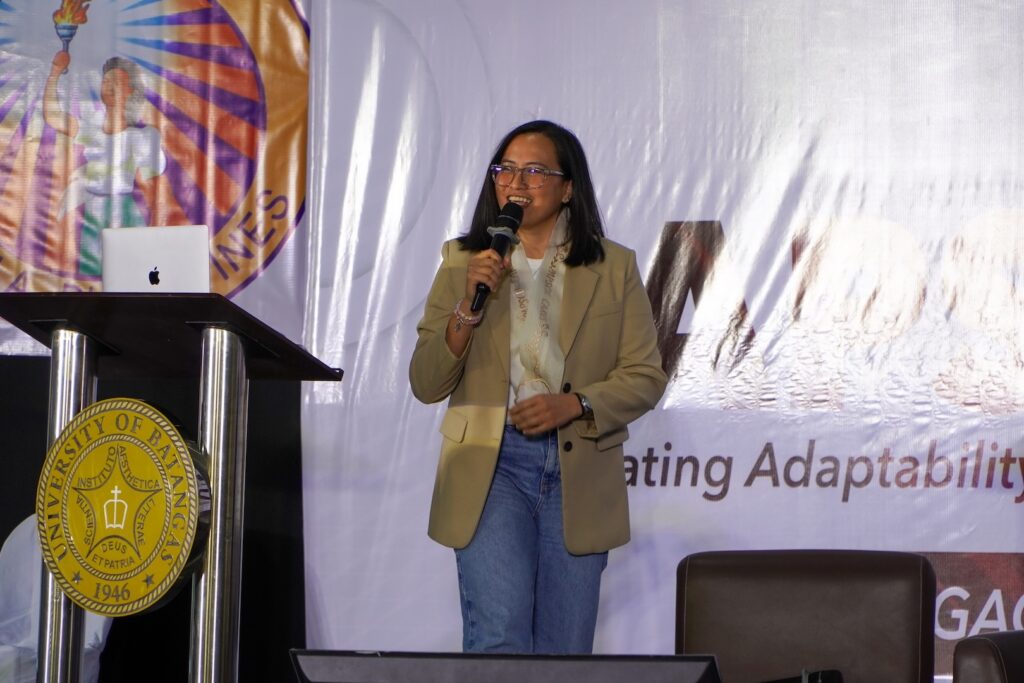
However, they eventually moved past this rift. They reframed their partnership as a “Visionary and Implementor” relationship. Specifically, they discovered common ground: the total betterment of the institution. Consequently, they reached a strategic balance. New programs were implemented with moderation and careful control. This experience shows that the Philippine education system thrives when new energy meets the wisdom of experience.
Bridging the Learning Gap with Evidence-Based Solutions
Dr. Rhodora Angela Fernandez-Ferrer, Executive Director of the Private Education Assistance Committee, shared a powerful perspective grounded in GASTPE research. As a seasoned pillar of the Philippine education system, she presented data as a call to action.
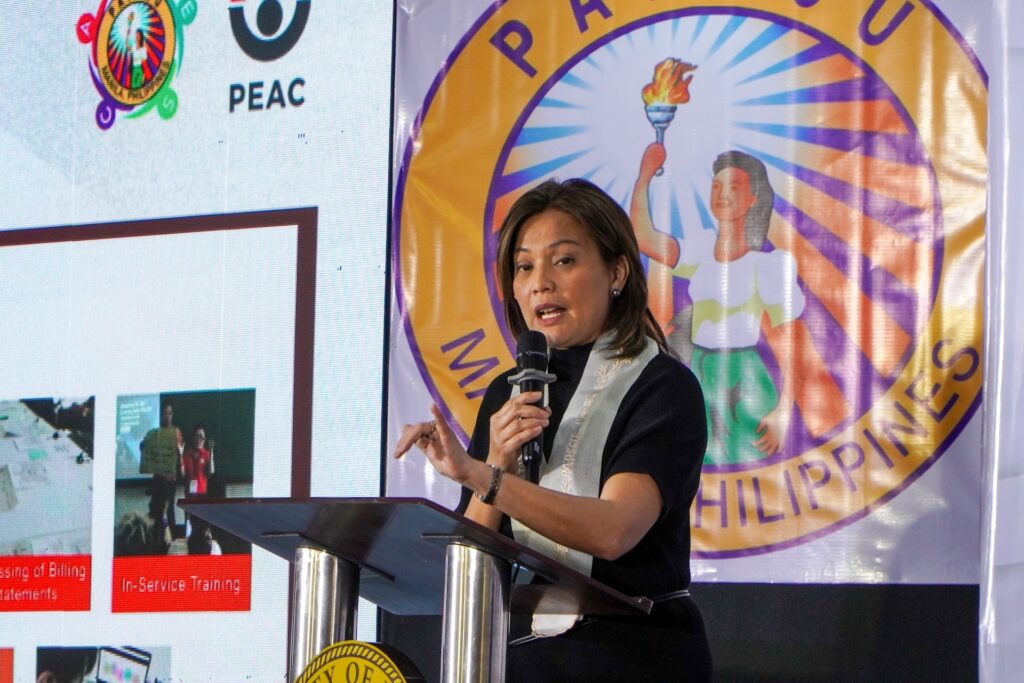
She addressed the heavy atmosphere of our current landscape. As the Philippines recovers from the pandemic, societal crises like corruption and economic shifts pull our focus away. Consequently, adding the educational crisis to this list feels overwhelming. Specifically, Dr. Ferrer highlighted that education is deeply political. Systemic neglect can feel intentional, but we cannot look away. The survival of our nation relies on our youth.
The Framework for National Success
Dr. Ferrer’s research confirms that partnership programs are not experimental. They possess a logic based on the Philippine Constitution and the EGASTPE Act of 1998. These frameworks aim to achieve accessible quality education and public-private complementarity. Consequently, the government must continue investing in programs like the Education Service Contracting and SHS Voucher Program.
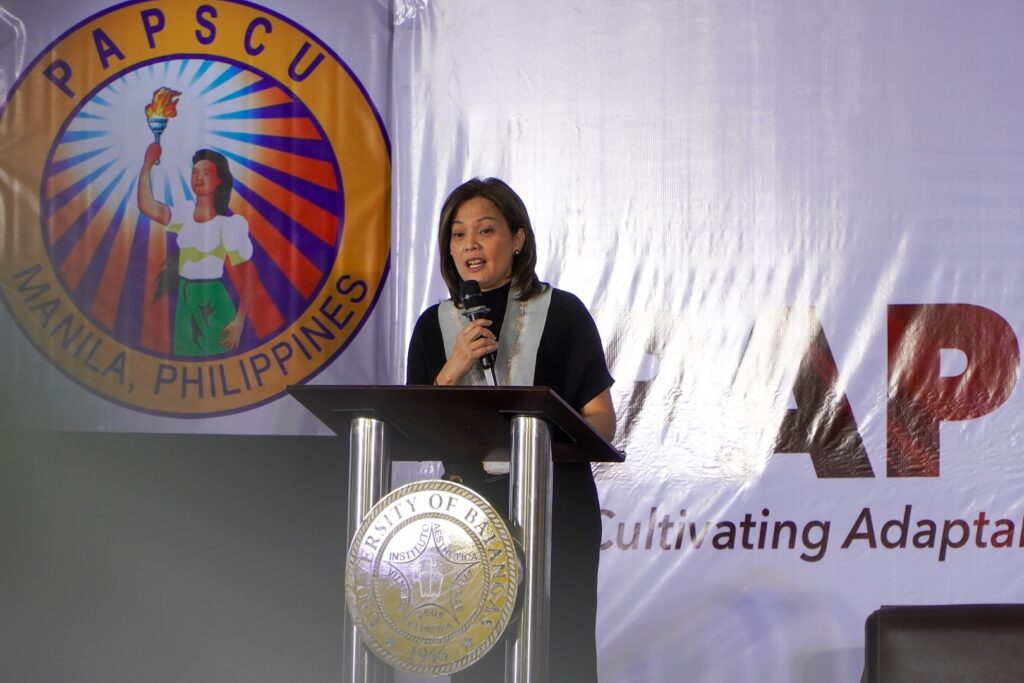
Ultimately, a “fixed” system requires more than funding; it requires a holistic broadening of mindsets. By tailoring support to unique contexts like Indigenous Peoples, we move toward a resilient nation. Specifically, when the Philippine education system aligns with evidence-based research, we start engineering a path toward true excellence.
Securing the Best Future for All by Supporting Our Own
The conversation eventually shifted to the people behind strong schools. In Behind Strong Schools: Ensuring Mental Wellbeing of Leaders and Educators, Dr. Michele S. Alignay brought the spotlight to a vital conversation.
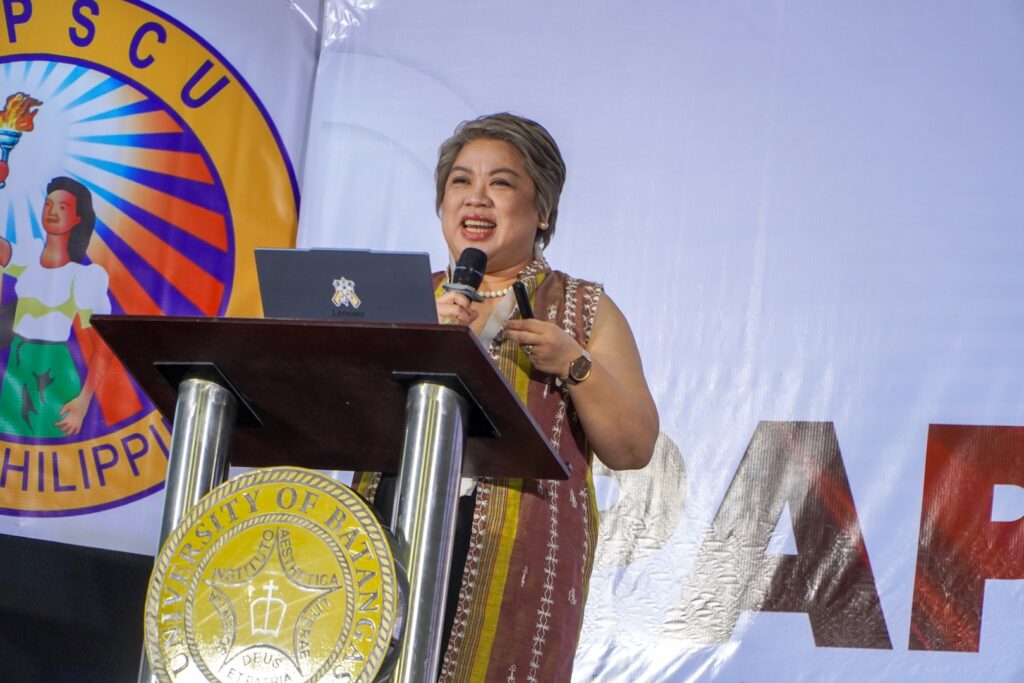
Dr. Alignay emphasized that institutions must give equal attention to the mental wellbeing of school leaders. By sharing her insights, she underscored the importance of caring for those who sustain thriving learning environments. She reminded participants that healthy, supported, and empowered people build strong schools.
Why Wellbeing is a Legal Mandate
She challenged the audience to consider why this matters now. Strong schools depend entirely on strong people. When a leader’s mental health suffers, it creates a ripple effect. This affects teaching quality and the overall school climate. Specifically, Filipino educators face rising stress and emotional fatigue. Consequently, addressing these issues is now a legal mandate that Philippine education system must uphold.
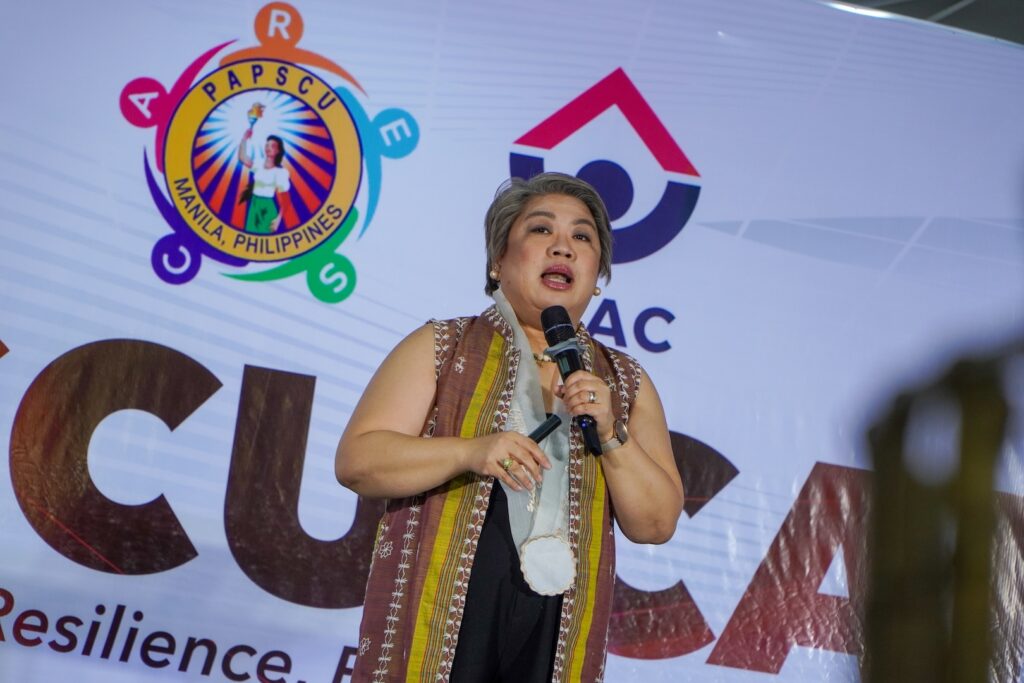
Ultimately, Dr. Alignay’s insights remind us that excellence begins with the heart. As she shared:
“Leadership is a choice and it’s not about being in charge, it’s about taking care of those in our charge.”
By prioritizing wellbeing, we build the human foundation necessary to secure the best future for all.
Navigating Compliance to Protect the Best Future for All
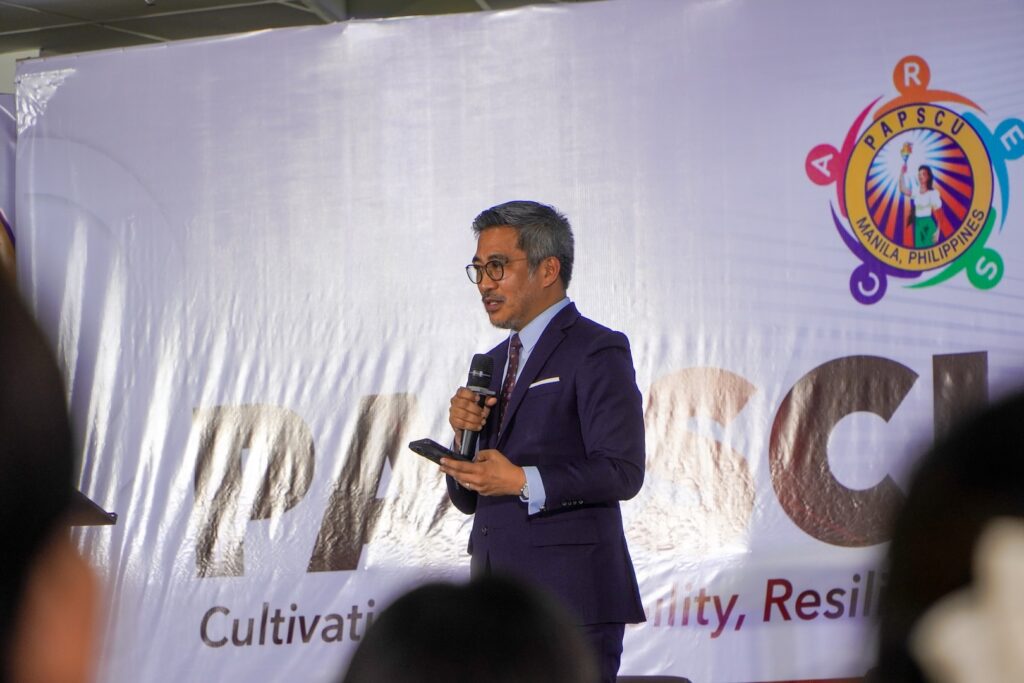
The series culminated in a topic vital to the sustainability of Philippine education system. Atty. Joseph Noel M. Estrada, a legal luminary, provided a masterclass in identifying hidden vulnerabilities within school operations. His insights ensure that administrators can mitigate risks and protect their institutions.
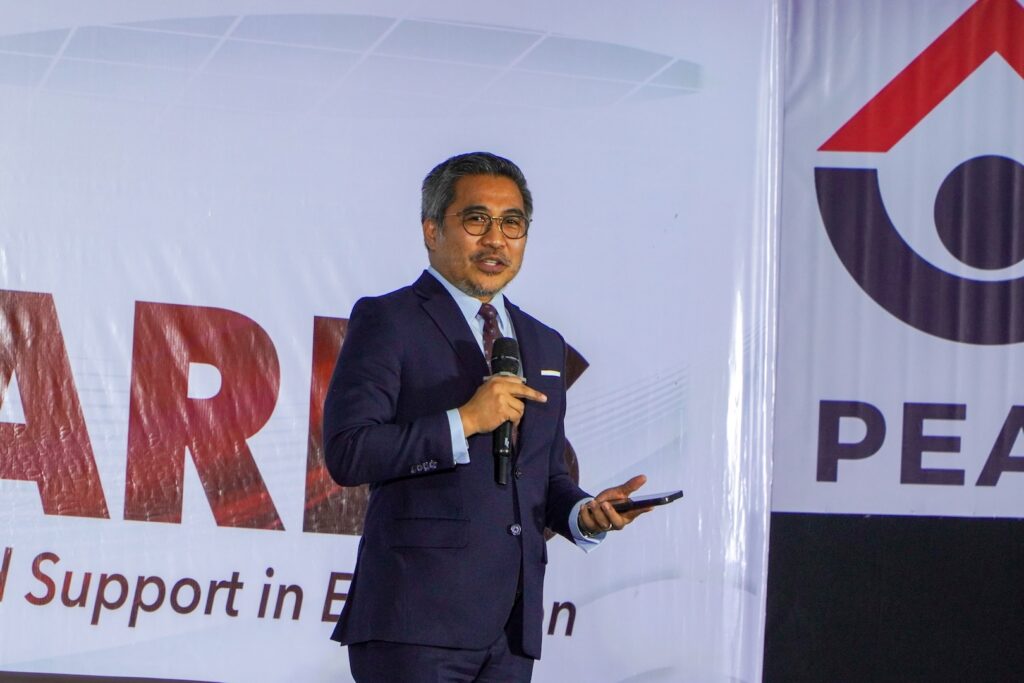
The session reached a turning point when Atty. Estrada asked: “What security threat or safety incident do you fear most could happen at your school?” This inquiry shifted the focus to the high-stakes reality of institutional liability. Furthermore, he emphasized that effective leadership requires a proactive approach to risk. He dissected three pillars: Special Parental Authority, Torts and Quasi-Delicts, and Breach of Contract.
The Blueprint for Legal Integrity
Specifically, Atty. Estrada explained that understanding legal boundaries helps administrators move toward a structured defensive strategy. Consequently, identifying vulnerabilities allows institutions to mitigate risks before they become crises. By placing operations “under the microscope,” leaders protect their students and stakeholders. Ultimately, this commitment to legal integrity ensures a secure environment for the best future for all.
Can We Build a System That Truly Lasts?
The insights from the PAPSCU CARES South Luzon leg prove that the time for temporary patches has passed. Moving to a state of excellence requires a fundamental shift in the Philippine education system. We must harmonize our workforces and anchor decisions in research. We must also protect our institutions through strict legal compliance. Most importantly, we must recognize that school stability is inseparable from the mental wellbeing of those who lead.

By embracing the pillars of CARES, we move beyond mere survival. This journey is about more than maintaining operations; it is about creating a structured, safe, and innovative ecosystem. As we move forward, we must stop fixing cracks and start engineering a new foundation. Only then can we move together with purpose, truly securing the best future for all.
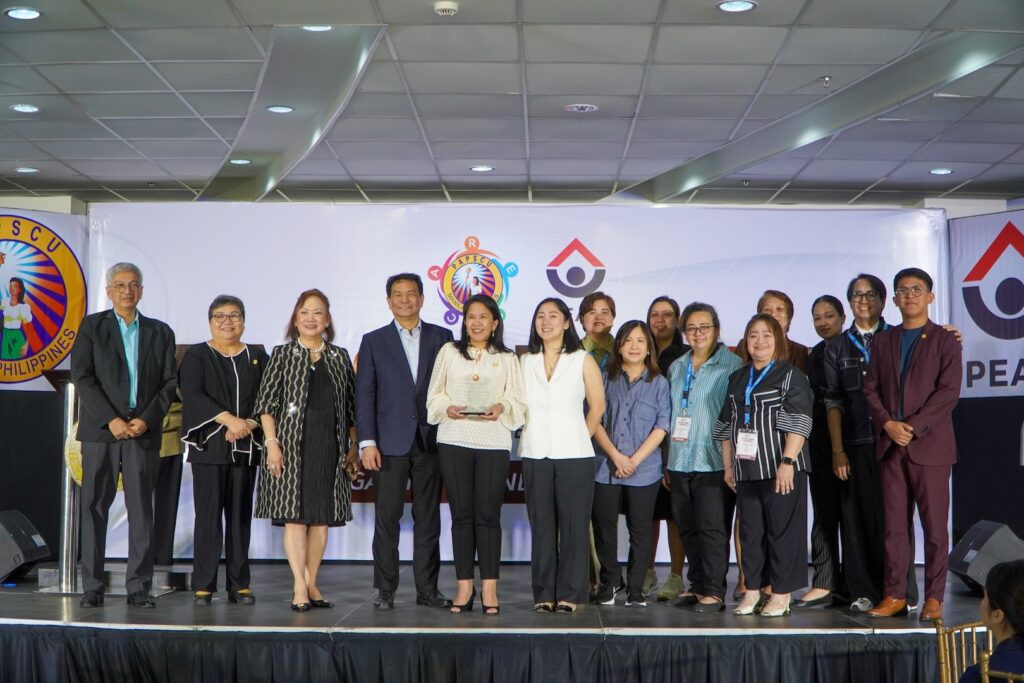
As the University of Batangas cherishes the fruition of eighty years of excellence and legacy of greatness, we stand upon the noble foundation laid by our six visionary founders. We continue to move forward with unwavering resolve, ensuring that the mission born in the post-war era persists as a living legacy. By fostering a strong, resilient institution, we remain a steadfast instrument in the nation’s journey – dedicated, now more than ever, to creating an undeniably best future for all.